
Mars exploration database

All Missions

Every mission ever sent to the Red Planet: orbiters, landers, rovers and the helicopter that flew. Filter, explore the chronology and open each file.

64MissionsLaunched
8ActiveWorking now
50%Success rateReached their goal
7Rovers
13Landers
30Orbiters
1Helicopters

Chronology of Mars exploration

Drag, scroll or use the arrows. The bars show how many missions launched each year: they cluster around the launch windows that open every 26 months.

ActiveCompletedFailedUpcoming
More filters

Showing 7 of 7 missions

Clear filters
Operating · extended mission
NASA

Perseverance (Mars 2020)

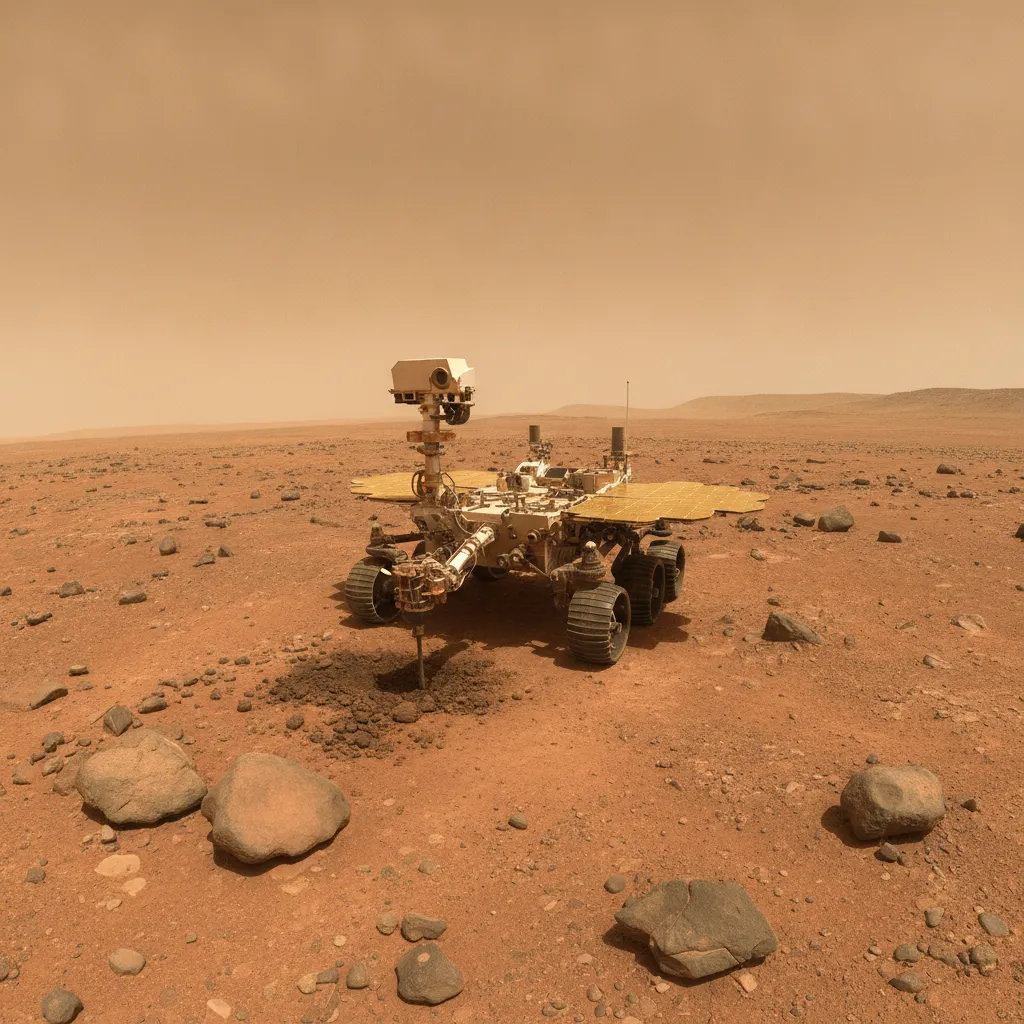
Perseverance (Mars 2020), launched by NASA on July 30, 2020, is a rover designed to search for signs of ancient microbial life in Jezero crater, characterize Martian geology, and collect samples for a future return to Earth. Equipped with advanced scientific instruments and the Ingenuity technology helicopter, the mission remains operational and in an extended phase, breaking distance records on the Martian surface.

Rover
Failed · contact lost before meeting objectives
CNSA

Zhurong (Rover)

Part of Zhurong

CNSA's Zhurong rover, part of the Tianwen-1 mission, explored Utopia Planitia starting in May 2021. It surpassed its nominal 90-sol design life and traveled 1,921 meters, revealing complex subsurface stratigraphy and evidence of past aqueous activity before communications ceased in May 2022 due to dust accumulation.

Rover
Operating on the surface
NASA

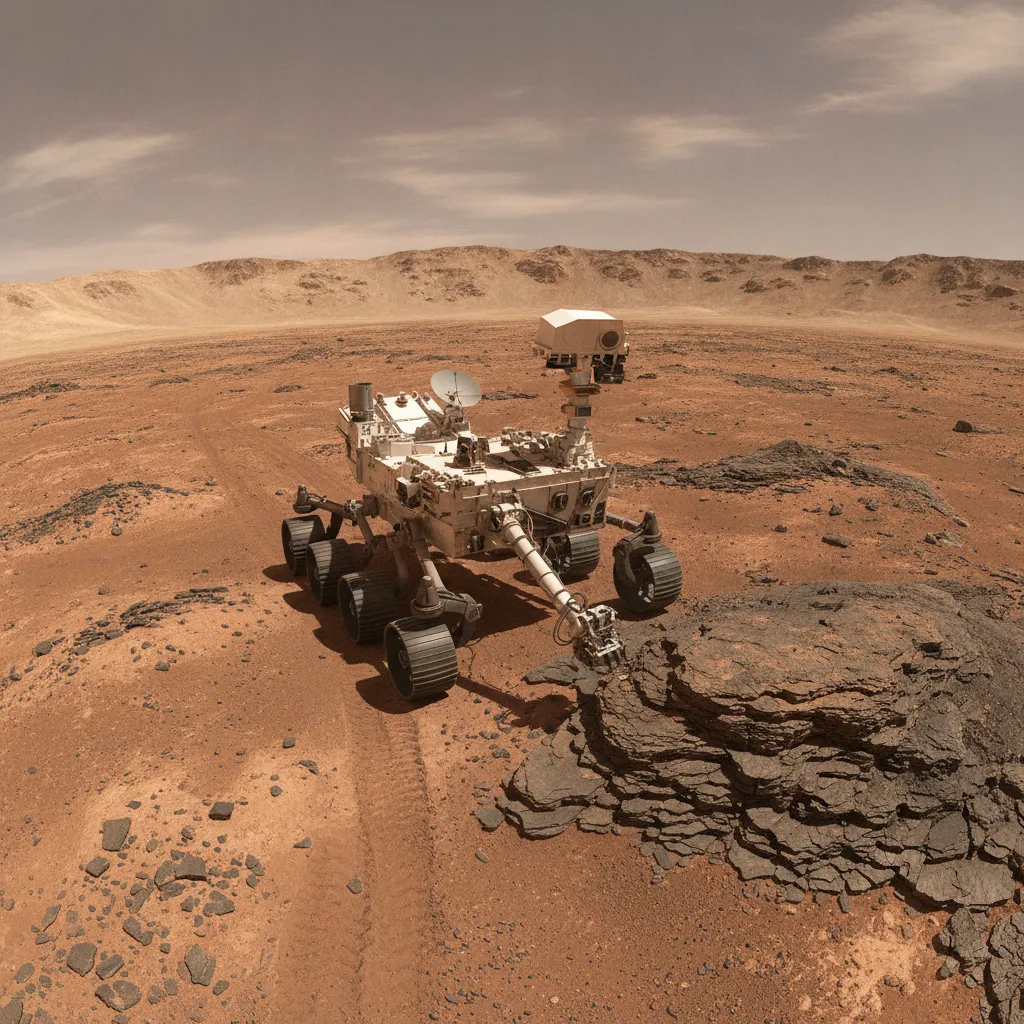
Curiosity (MSL)

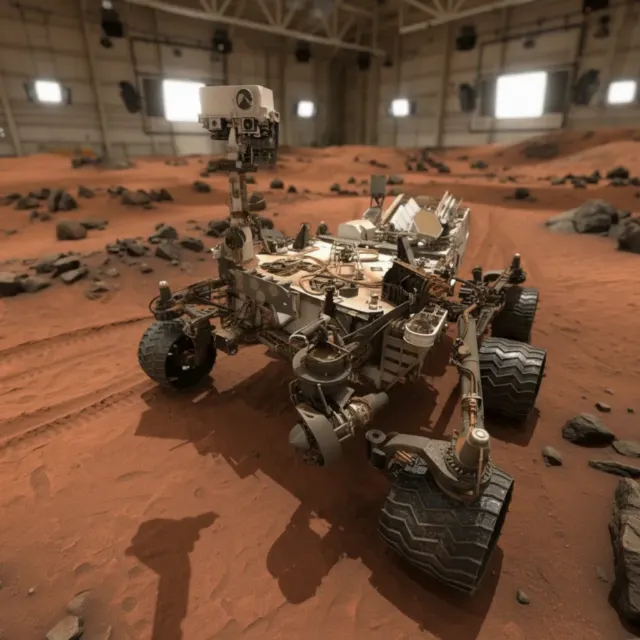
Launched in 2011, the Curiosity (MSL) mission revolutionized Martian exploration by using the "Sky Crane" landing system to deposit a 900 kg nuclear-powered rover in Gale Crater in 2012. The mission confirmed that Mars once hosted ancient freshwater lakes and complex organic molecules, validating that the planet held habitable conditions in the past. It remains operational after more than 12 years.

Rover
Completed · full success
NASA

Opportunity

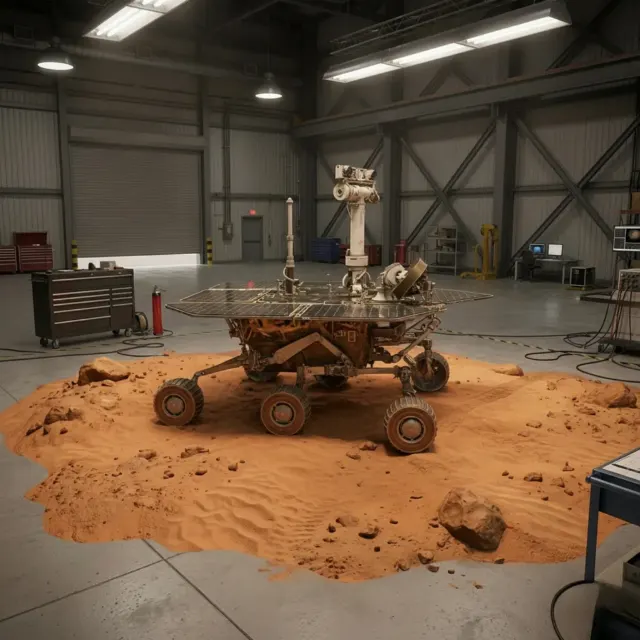
Launched on a Delta II Heavy in 2003, Opportunity (MER-B) landed on Meridiani Planum, Mars, in January 2004. Designed for 90 days, it operated for nearly 15 years, traversing 45.16 km (a record). It confirmed past liquid acidic water by discovering hematite and jarosite. A global dust storm in 2018 depleted its batteries, ending the mission in 2019.

Rover
Completed · full success
NASA

Mars Exploration Rover A (Spirit)

Spirit (MER-A) was one of two twin rovers sent by NASA in 2003 to explore the Martian surface. It landed in Gusev crater in January 2004, vastly exceeding its nominal lifespan of 90 sols and confirming a watery past in the region. After becoming immobilized in a sand trap in 2009, the last communication was received in March 2010 and the mission was officially concluded in 2011.

Rover
Completed · full success
NASA

Sojourner

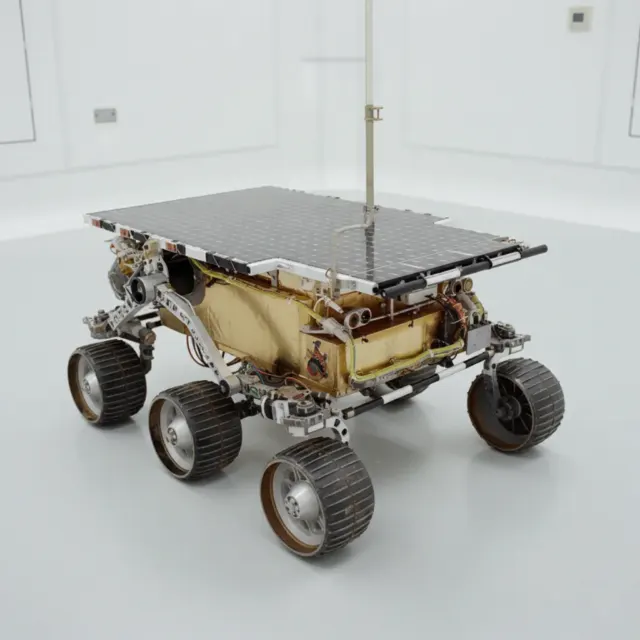
The Mars Pathfinder mission (1996) was a milestone that validated airbag landing systems and deployed the first mobile vehicle on Mars, the Sojourner. Designed to last 7 sols, the 10.6 kg rover operated for 83 sols, analyzing rock chemical composition with its APXS spectrometer and capturing 550 images. The mission confirmed a watery past in Ares Vallis and demonstrated the success of NASA's low-cost philosophy.

Rover
Planned
ESA

ExoMars Rosalind Franklin Rover (EXM-RFM)

The ExoMars Rosalind Franklin mission is an ESA-led initiative, with NASA participation, whose main objective is to search for signs of past or present life on Mars. The rover features a drilling system capable of reaching a depth of 2 meters to extract samples protected from ionizing radiation. Its launch is scheduled for October 2028 aboard a Falcon Heavy rocket, with a planned landing in Oxia Planum.

Rover