
Mars exploration database

All Missions

Every mission ever sent to the Red Planet: orbiters, landers, rovers and the helicopter that flew. Filter, explore the chronology and open each file.

64MissionsLaunched
8ActiveWorking now
50%Success rateReached their goal
7Rovers
13Landers
30Orbiters
1Helicopters

Chronology of Mars exploration

Drag, scroll or use the arrows. The bars show how many missions launched each year: they cluster around the launch windows that open every 26 months.

ActiveCompletedFailedUpcoming
More filters

Showing 12 of 14 missions

Clear filters
En route
NASA

Europa Clipper

NASA's Europa Clipper mission, launched in October 2024 aboard a Falcon Heavy rocket, is currently in its interplanetary cruise phase heading toward the Jupiter system. After successfully completing a gravity assist and calibration flyby of Mars in February 2025, the spacecraft is headed toward an upcoming Earth gravity assist maneuver. Its primary goal upon arriving at Jupiter will be to assess the habitability of the moon Europa through multiple scientific flybys.

Flyby
Completed · full success
ESA

Hera

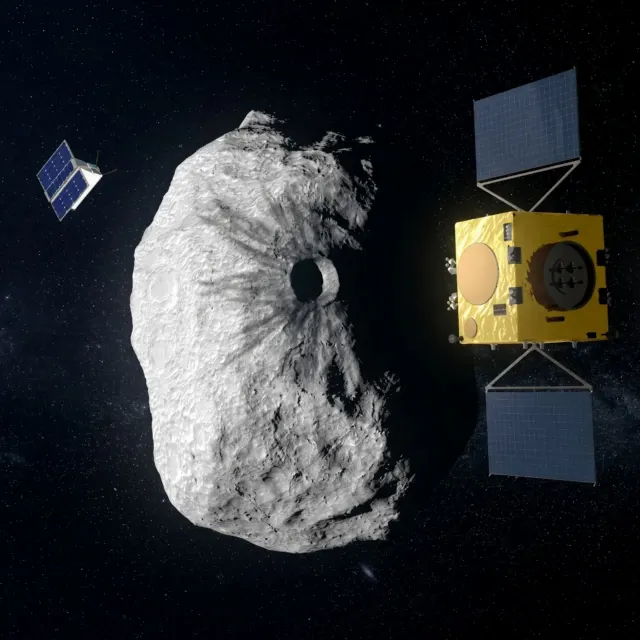
The Hera probe successfully completed its Mars and Deimos flyby on March 12, 2025, using gravity assist to optimize its route to Didymos. The deep-space campaign validated its optical, hyperspectral, and thermal sensors through unprecedented analysis of the far side of Deimos.

Flyby
Completed · full success
NASA

Psyche

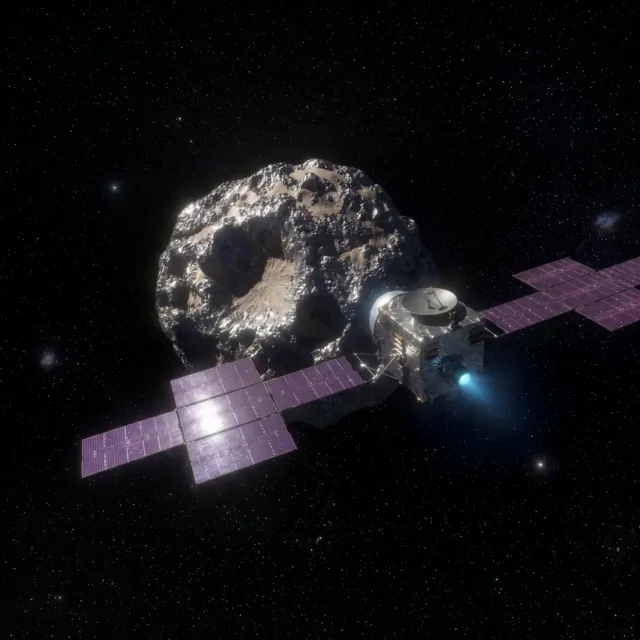
NASA's Psyche spacecraft successfully completed its hyperbolic Mars flyby at an altitude of 4,609 km, utilizing gravity assist to correct its orbital plane and gain 447 m/s in velocity. The maneuver overcame a propulsion xenon line anomaly and provided high-precision calibration for its science payload.

Flyby
Completed · full success
NASA

Dawn

NASA's Dawn mission used a gravity assist flyby of Mars in February 2009 to modify its trajectory toward the asteroids Vesta and Ceres. After completing its primary objectives in the main belt, the mission concluded in November 2018 due to propellant exhaustion.

Flyby
Completed · full success
ESA

Rosetta

In February 2007, the European Space Agency's (ESA) Rosetta mission performed a gravity-assist flyby of Mars to modify its trajectory toward comet 67P/Churyumov-Gerasimenko. During the close encounter, the spacecraft analyzed the Martian atmosphere and captured high-resolution images before continuing its journey toward its main destination in deep space.

Flyby
Completed · full success
NASA

Mariner 7

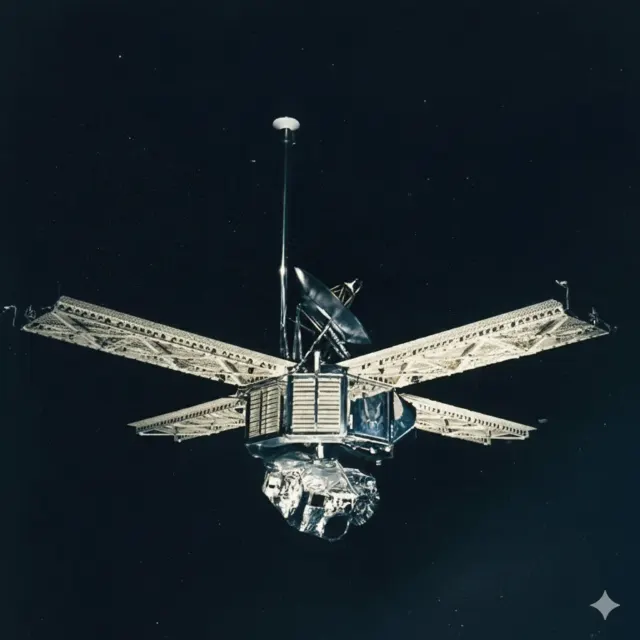
NASA's Mariner 7 mission, launched in March 1969, was a resounding success. Alongside its twin, Mariner 6, it flew by Mars in August 1969, sending back 126 images. Its key discovery was determining that the southern polar cap was composed primarily of frozen CO2, not water ice, altering the scientific view of the planet.

Flyby
Completed · full success
NASA

Mariner 6

Mariner 6, launched in February 1969, was a resounding NASA success. During its Mars flyby, the probe returned 75 images and crucial data. Its instruments revealed an atmosphere composed mainly of CO2, measured very low surface pressures, and, most importantly, determined the south polar cap was frozen carbon dioxide (dry ice), not water ice.

Flyby
Failed · orbital failure
OKB-1

Zond 2

Zond 2 (1964) was a failed Soviet Mars flyby mission. A mechanical failure during rocket separation prevented one solar panel from deploying, cutting power by half. This led to thermal problems and the loss of communication in May 1965. It flew past Mars silently, but was the first spacecraft to test plasma thrusters in space.

Flyby
Completed · full success
NASA

Mariner 4

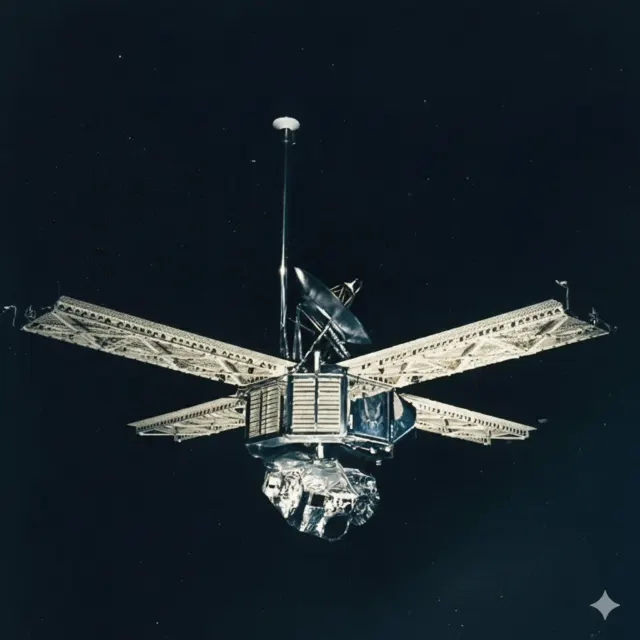
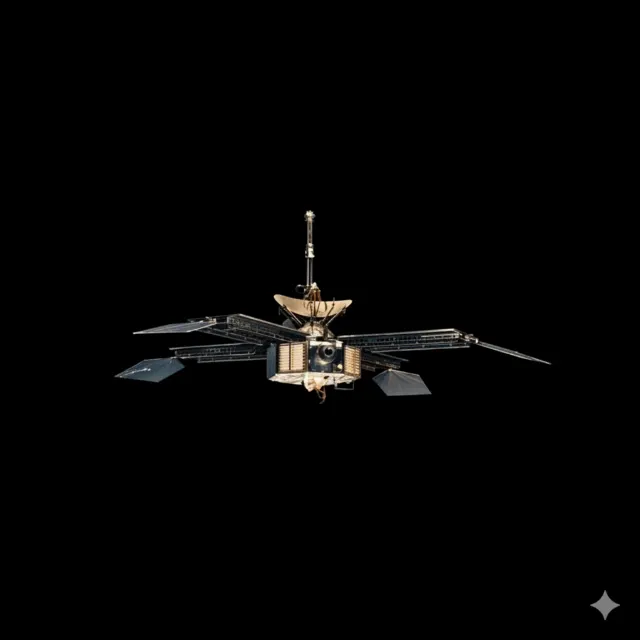
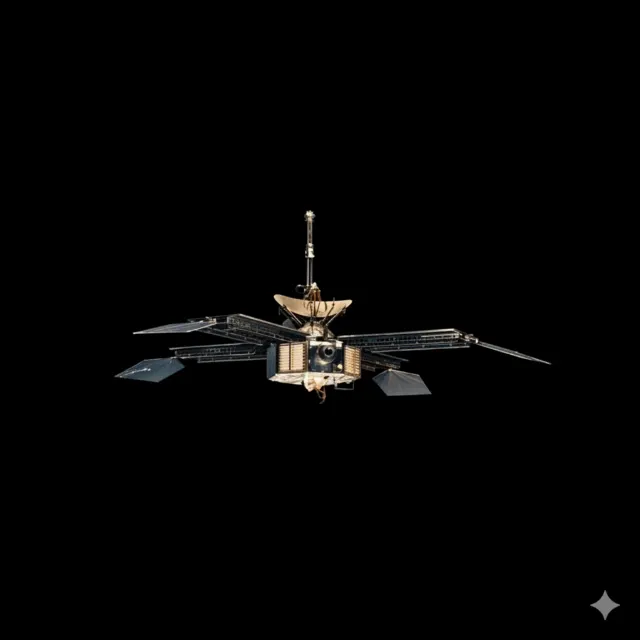
Mariner 4, launched by NASA on November 28, 1964, was a monumental success. It performed the first successful flyby of Mars on July 14, 1965, returning 21 historic images. These revealed a desolate, crater-filled, Moon-like landscape with a much thinner atmosphere than expected, fundamentally altering the scientific perception of the Red Planet.

Flyby
Failed · orbital failure
NASA

Mariner 3

Mariner 3 (1964) was NASA's first Mars flyby attempt. The launch was successful, but the fiberglass fairing protecting the probe failed to jettison. Trapped inside, the spacecraft could not deploy its solar panels. Its batteries died 8 hours later, leaving it inert in a solar orbit.

Flyby
Failed · contact lost before meeting objectives
OKB-1

Mars 1

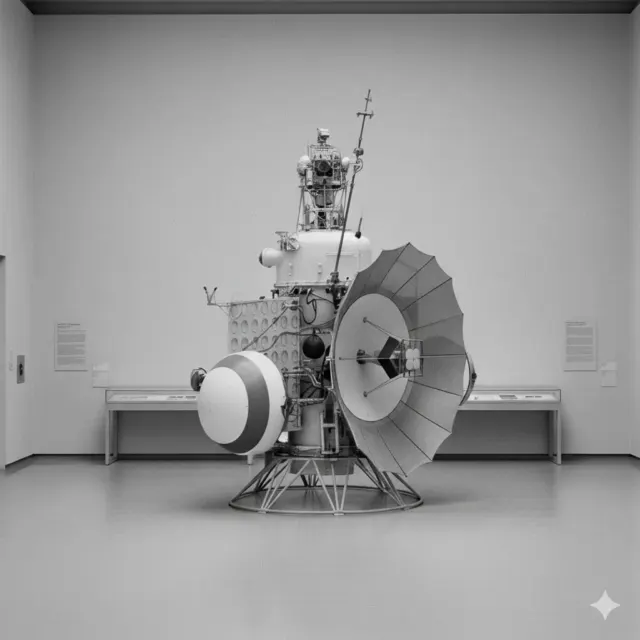
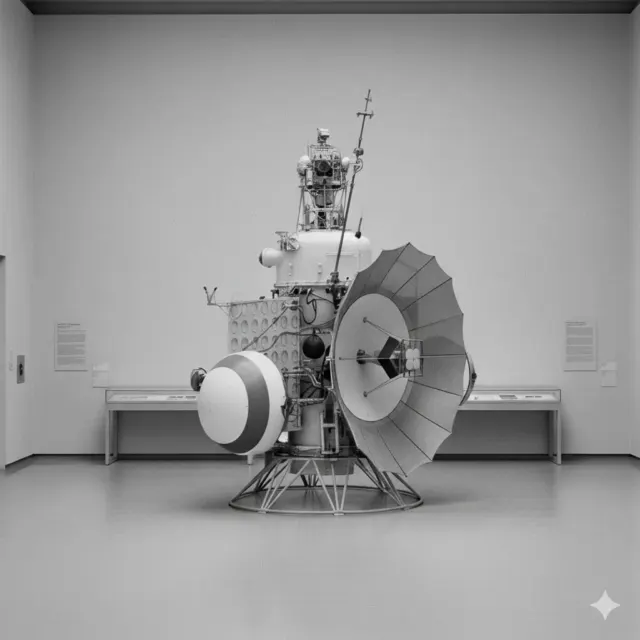
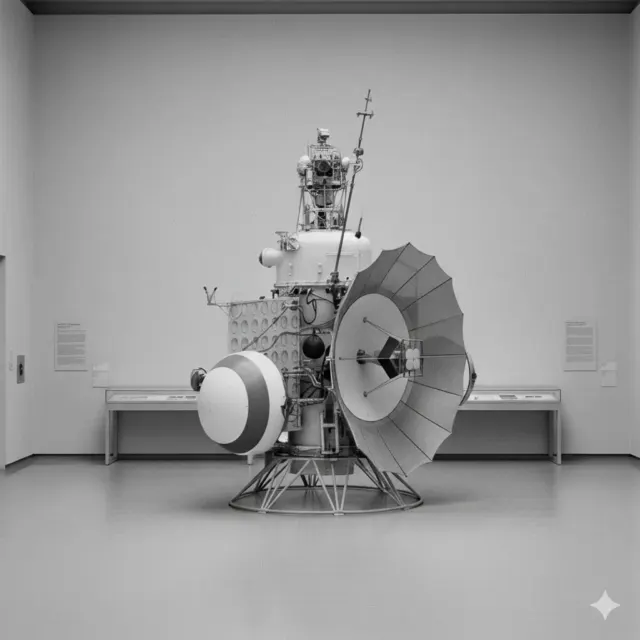
Mars 1, launched by the USSR in 1962, was the first probe on a successful trajectory to Mars. It held 61 communication sessions, gathering interplanetary space data. On March 21, 1963, contact was lost at 106 million km due to a faulty valve in the attitude control system , which prevented the antenna from pointing to Earth.

Flyby
Failed · launch failure
OKB-1

Mars 2MV-4 No.1 (Sputnik 22)

The Soviet Mars 2MV-4 No. 1 probe (Sputnik 22) failed on October 24, 1962, when its Blok L upper stage exploded in LEO due to a seized staged-combustion turbopump. Its debris triggered a false ICBM attack alarm in Alaska, averted via vector tracking during the height of the Cuban Missile Crisis.

Flyby