
Mars exploration database

All Missions

Every mission ever sent to the Red Planet: orbiters, landers, rovers and the helicopter that flew. Filter, explore the chronology and open each file.

64MissionsLaunched
8ActiveWorking now
50%Success rateReached their goal
7Rovers
13Landers
30Orbiters
1Helicopters

Chronology of Mars exploration

Drag, scroll or use the arrows. The bars show how many missions launched each year: they cluster around the launch windows that open every 26 months.

ActiveCompletedFailedUpcoming
More filters

Showing 12 of 66 missions

Clear filters
Operating in orbit
ESA

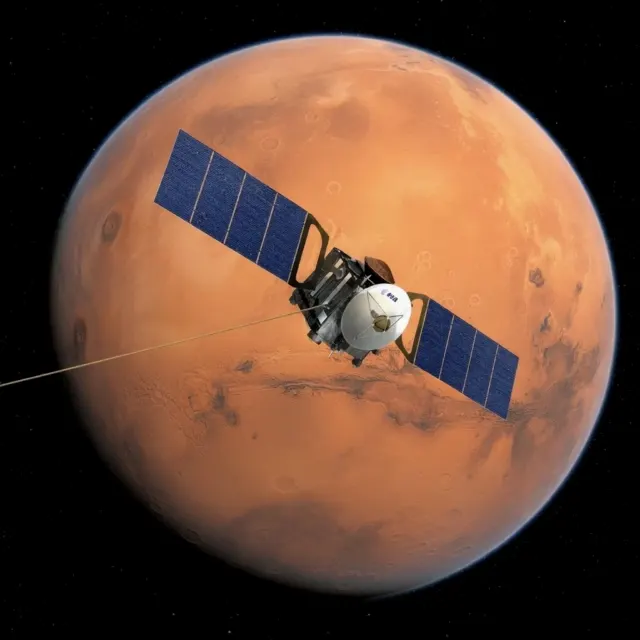
Mars Express

Launched in 2003 aboard a Soyuz-Fregat, Mars Express is ESA's first planetary mission. The orbiter achieved a successful insertion and has operated for over two decades. It has revolutionized our understanding of Mars by confirming subsurface water ice, detecting methane, and mapping hydrated minerals that prove a habitable past.

Orbiter
Failed · landing failure
ESA

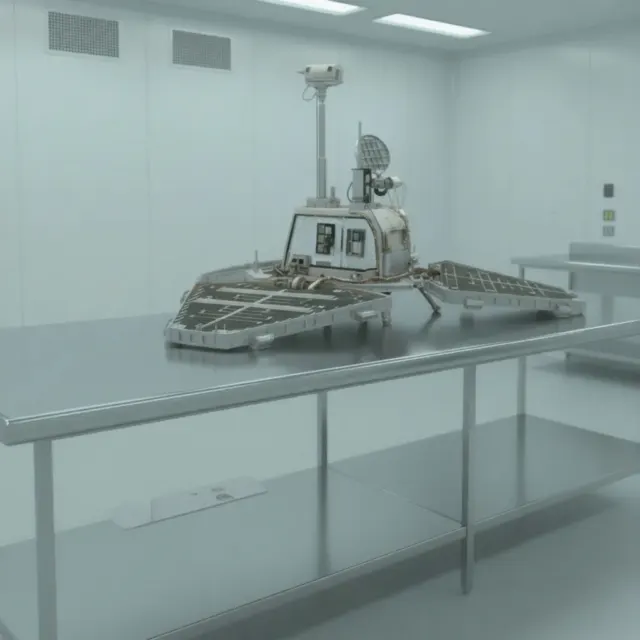
Beagle 2

Beagle 2, an ambitious British lander launched in 2003 alongside Mars Express, aimed to search for chemical traces of life in Isidis Planitia. After landing on Christmas Day, complete silence followed. In 2015, orbital images revealed its cruel fate: it landed intact, but its solar panels failed to fully deploy, trapping its radio antenna and condemning the probe to eternal isolation.

Lander
Operating · extended mission
NASA

2001 Mars Odyssey

The 2001 Mars Odyssey mission (NASA) is a Mars orbiter designed to map the elemental and mineralogical composition of the surface, search for water ice, and act as a communications relay. Launched in April 2001, it confirmed the presence of vast underground ice deposits and remains active after multiple extensions.

Orbiter
Failed · landing failure
NASA

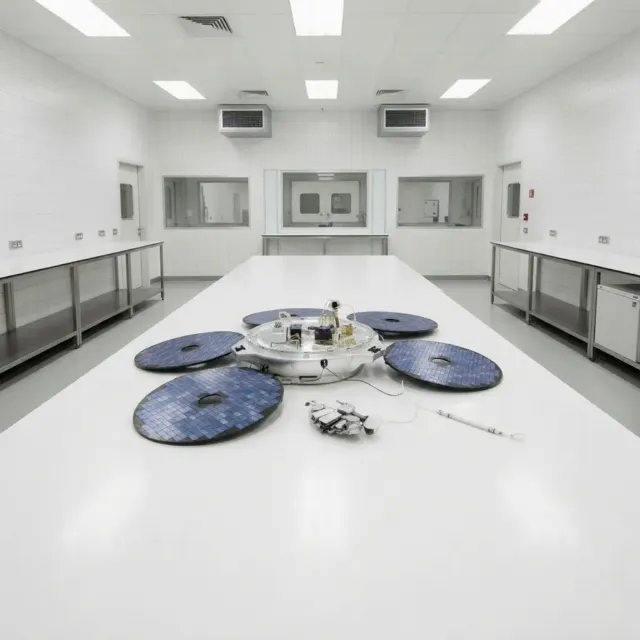
Deep Space 2 (DS2)

Deep Space 2 (DS2), known as the Mars Microprobe Project, consisted of two innovative impact penetrator probes ("Scott" and "Amundsen") launched by NASA to study the Martian subsurface. Following their arrival on December 3, 1999, communication could not be established, and the mission was officially declared a failure on March 13, 2000.

Lander
Failed · orbital failure
NASA

Mars Climate Orbiter (Mars Surveyor '98 Orbiter)

NASA's Mars Climate Orbiter was an orbiter designed to study the climate and atmosphere of Mars and act as a communications relay. The mission failed on September 23, 1999, during orbital insertion due to a navigation error caused by a discrepancy in metric and imperial units, leading to its destruction in the Martian atmosphere.

Orbiter
Failed · orbital failure
JAXA

Nozomi (PLANET-B)

Nozomi (PLANET-B), launched on July 3, 1998, by ISAS (predecessor of JAXA), was Japan's first interplanetary mission aimed at studying Mars' upper atmosphere and its interaction with the solar wind. After suffering severe setbacks during gravity assists and solar flares in its prolonged cruise, the spacecraft was unable to perform the orbit insertion, completing a distant flyby before formally ending its mission on December 31, 2003, in heliocentric orbit.

Orbiter
Completed · full success
NASA

Mars Pathfinder

Launched in 1996, Mars Pathfinder was the first completed mission under NASA's "faster, better, cheaper" philosophy. It pioneered the use of an airbag landing system and successfully deployed the first rover on Mars, Sojourner. The mission landed in Ares Vallis, returned over 17,000 images, and performed in-situ chemical analysis of rocks and soil, far exceeding its expected operational lifespan.

Lander
Completed · full success
NASA

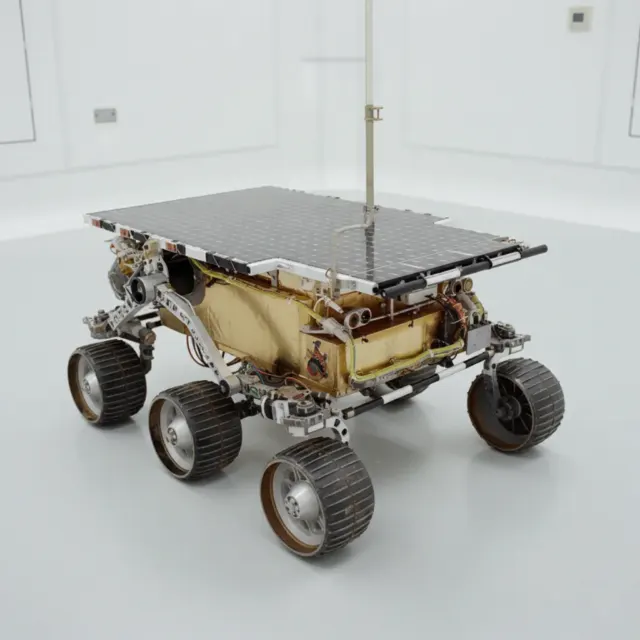
Sojourner

The Mars Pathfinder mission (1996) was a milestone that validated airbag landing systems and deployed the first mobile vehicle on Mars, the Sojourner. Designed to last 7 sols, the 10.6 kg rover operated for 83 sols, analyzing rock chemical composition with its APXS spectrometer and capturing 550 images. The mission confirmed a watery past in Ares Vallis and demonstrated the success of NASA's low-cost philosophy.

Rover
Failed · launch failure
Roscosmos

Mars 96 (Mars-8)

Roscosmos's ambitious Mars 96 mission, designed to study Mars's evolution and physics through an orbiter, two surface stations, and two penetrators, failed a few hours after launch due to a restart failure of the Proton-K rocket's fourth upper stage.

Orbiter
Completed · full success
NASA

Mars Global Surveyor (MGS)

Mars Global Surveyor (MGS), launched by NASA in November 1996, was a pioneering orbital mission that revolutionized our understanding of Mars. After a long aerobraking phase, it globally mapped the surface, studied mineralogy, analyzed the remnant magnetic field, and demonstrated the past presence of abundant liquid water.

Orbiter
Failed · contact lost before meeting objectives
NASA

Mars Observer

Mars Observer (1992) was an ambitious NASA orbiter designed to conduct a global study of Mars' mineralogy, atmosphere, and magnetic field. After a successful interplanetary cruise phase of nearly a year, the spacecraft suddenly went silent on August 21, 1993, three days before orbital insertion, due to a catastrophic failure in its propulsion system.

Orbiter
Failed · contact lost before meeting objectives
Roscosmos

Phobos 2

Phobos 2 was a Soviet orbiter launched in July 1988 with the objective of studying the interplanetary environment, Mars, and the satellite Phobos, incorporating plans to deploy landers. After reaching Martian orbit in late January 1989, the mission gathered valuable scientific data and detailed images until contact was lost on March 27, 1989 due to a critical failure.

Orbiter