
Mars exploration database

All Missions

Every mission ever sent to the Red Planet: orbiters, landers, rovers and the helicopter that flew. Filter, explore the chronology and open each file.

64MissionsLaunched
8ActiveWorking now
50%Success rateReached their goal
7Rovers
13Landers
30Orbiters
1Helicopters

Chronology of Mars exploration

Drag, scroll or use the arrows. The bars show how many missions launched each year: they cluster around the launch windows that open every 26 months.

ActiveCompletedFailedUpcoming
More filters

Showing 12 of 28 missions

Clear filters
Failed · orbital failure
OKB-1

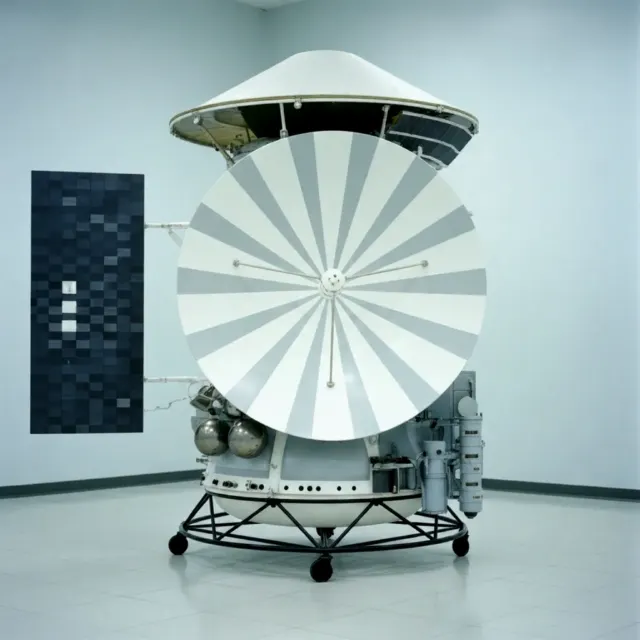
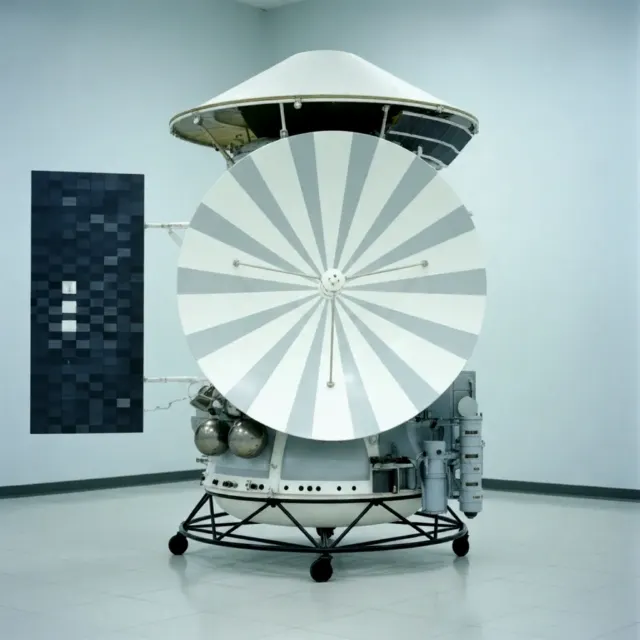
Mars 7

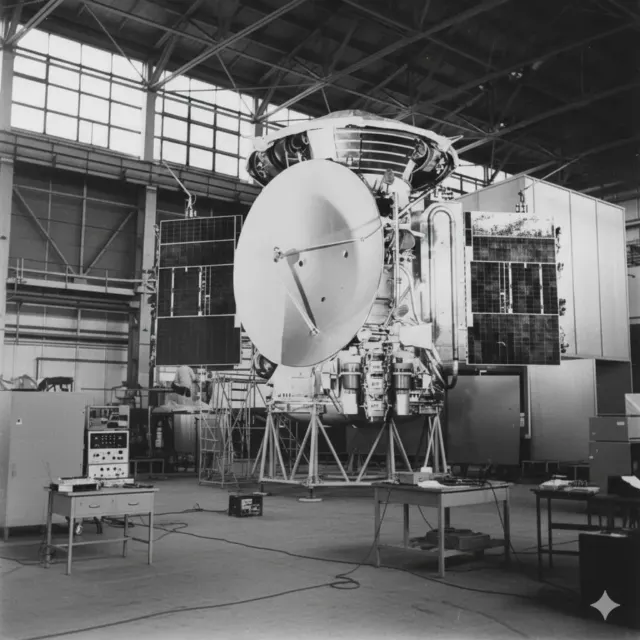
Launched on August 9, 1973, with the objective of performing a soft landing. Due to the degradation of onboard computer chips, the lander separated prematurely (or failed its correction maneuver) on March 9, 1974. The probe missed atmospheric entry and flew past the surface at a distance of 1,300 km, becoming trapped in a useless heliocentric orbit.

Orbiter
Failed · landing failure
OKB-1

Mars 6

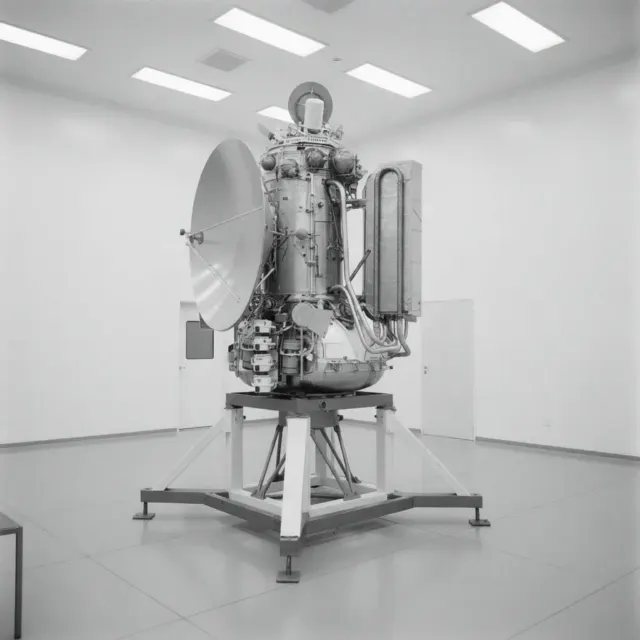
Launched on August 5, 1973, the Mars 6 mission consisted of a flyby bus and a lander. On March 12, 1974, the lander separated and entered the atmosphere, transmitting in-situ data for the first time for 224 seconds. However, contact was abruptly lost at the moment of retrorocket activation, resulting in a high-speed impact, likely due to the degradation of electronic components.

Lander
Failed · orbital failure
OKB-1

Mars 4

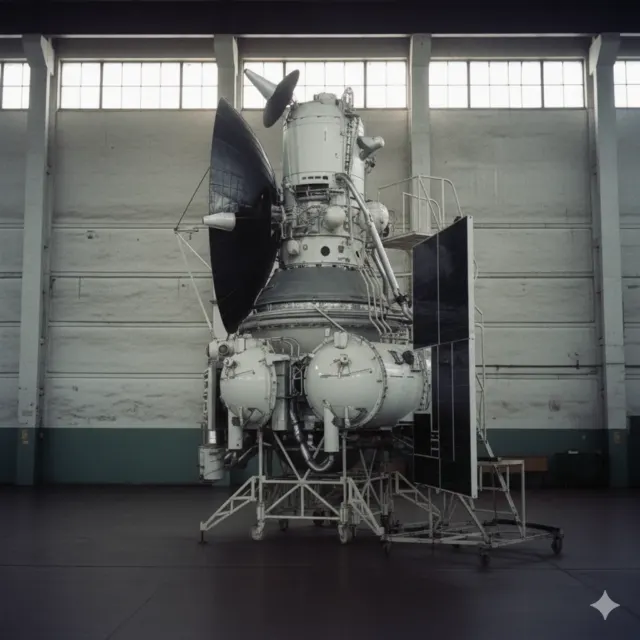
Launched by the USSR in 1973 aiming to orbit Mars. Due to an onboard computer failure (chip degradation), the retrorockets failed to fire for orbital insertion. The spacecraft performed an unplanned flyby on February 10, 1974, at 1,844 km, returning images and detecting the night-side ionosphere of the planet for the first time.

Orbiter
Failed · contact lost before meeting objectives
OKB-1

Mars 3 (Lander)

Part of Mars 3

The USSR's Mars 3 mission (1971) was a historic partial success. Its orbiter functioned, but the lander, despite achieving the first-ever soft landing on Mars, only transmitted for 20 seconds. A massive global dust storm is believed to have caused the failure.

Lander
Failed · landing failure
OKB-1

Mars 2 (Lander)

Part of Mars 2

The Mars 2 mission (USSR, 1971) was a dual orbiter and lander mission. It arrived during a global dust storm. The orbiter successfully entered orbit, but its science was limited by the dust. The lander failed due to an incorrect entry angle and crashed, becoming the first human object to impact Mars.

Lander
Failed · orbital failure
OKB-1

Kosmos 419

The Soviet Kosmos 419 mission, launched on May 10, 1971, was an attempt to be the first Mars orbiter. It failed in Earth orbit when the Blok D upper stage failed to ignite. The cause was a programming error: the ignition timer was set for 1.5 years instead of 1.5 hours. It re-entered the atmosphere two days later.

Orbiter
Failed · launch failure
NASA

Mariner 8

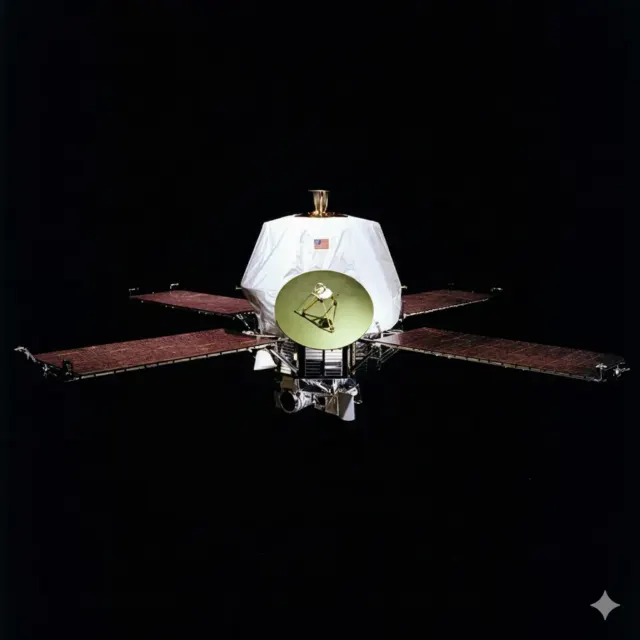
Mariner 8 (NASA), launched on May 9, 1971, was intended to be the first spacecraft to orbit Mars. However, the mission failed catastrophically during launch. The Centaur upper stage of the Atlas-Centaur rocket suffered an uncontrolled oscillation, leading to a premature engine shutdown. The spacecraft failed to reach orbit and fell into the Atlantic Ocean.

Orbiter
Failed · launch failure
OKB-1

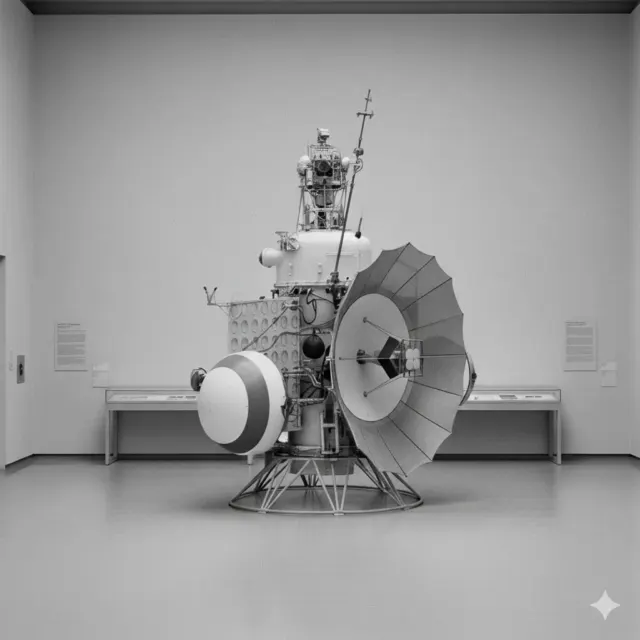
Mars 1969B

The Mars 1969B mission (USSR), internally designated M-69 No.522, was an attempt to send a heavy orbiter to Mars, launched on April 2, 1969. It failed catastrophically and instantly at liftoff when a first-stage engine of the Proton-K rocket failed, causing the vehicle to crash back onto the launch pad and explode.

Orbiter
Failed · launch failure
Roscosmos

Mars 1969A (Mars 2M No. 521)

Mars 1969A (Mars 2M No. 521) was a Soviet orbiter designed to study the Martian atmosphere and surface using optical and spectrometric systems. Launched on March 27, 1969, aboard a Proton-K rocket from the Baikonur Cosmodrome, the mission failed 438.66 seconds into flight due to a critical failure in the third-stage engine.

Orbiter
Failed · orbital failure
OKB-1

Zond 2

Zond 2 (1964) was a failed Soviet Mars flyby mission. A mechanical failure during rocket separation prevented one solar panel from deploying, cutting power by half. This led to thermal problems and the loss of communication in May 1965. It flew past Mars silently, but was the first spacecraft to test plasma thrusters in space.

Flyby
Failed · orbital failure
NASA

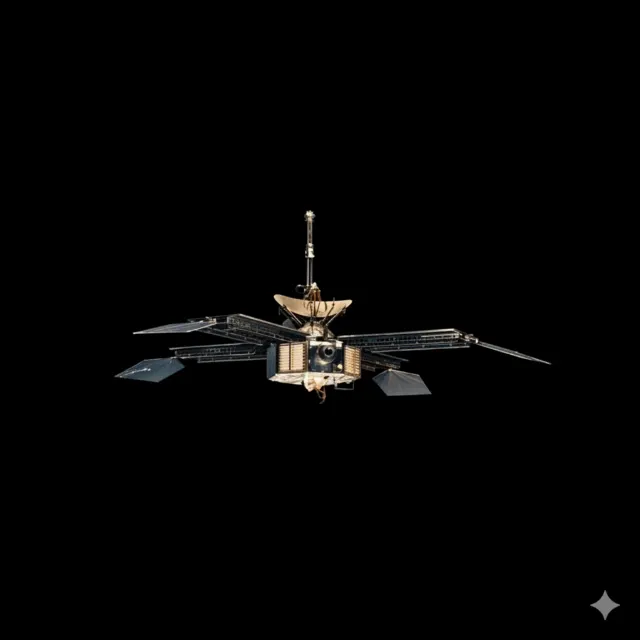
Mariner 3

Mariner 3 (1964) was NASA's first Mars flyby attempt. The launch was successful, but the fiberglass fairing protecting the probe failed to jettison. Trapped inside, the spacecraft could not deploy its solar panels. Its batteries died 8 hours later, leaving it inert in a solar orbit.

Flyby
Failed · launch failure
Space agency

Sputnik 24 (Mars 2MV-3 No. 1)

Sputnik 24, launched by the Soviet Union on November 4, 1962, using a Molniya 8K78 rocket, was a lander-type mission designed to study the surface and atmosphere of Mars. However, a failure in the Block L upper stage prevented it from leaving low Earth orbit, causing its re-entry and disintegration weeks later without reaching the red planet.

Lander