
Mars exploration database

All Missions

Every mission ever sent to the Red Planet: orbiters, landers, rovers and the helicopter that flew. Filter, explore the chronology and open each file.

64MissionsLaunched
8ActiveWorking now
50%Success rateReached their goal
7Rovers
13Landers
30Orbiters
1Helicopters

Chronology of Mars exploration

Drag, scroll or use the arrows. The bars show how many missions launched each year: they cluster around the launch windows that open every 26 months.

ActiveCompletedFailedUpcoming
More filters

Showing 8 of 8 missions

Clear filters
Completed · full success
NASA

MAVEN

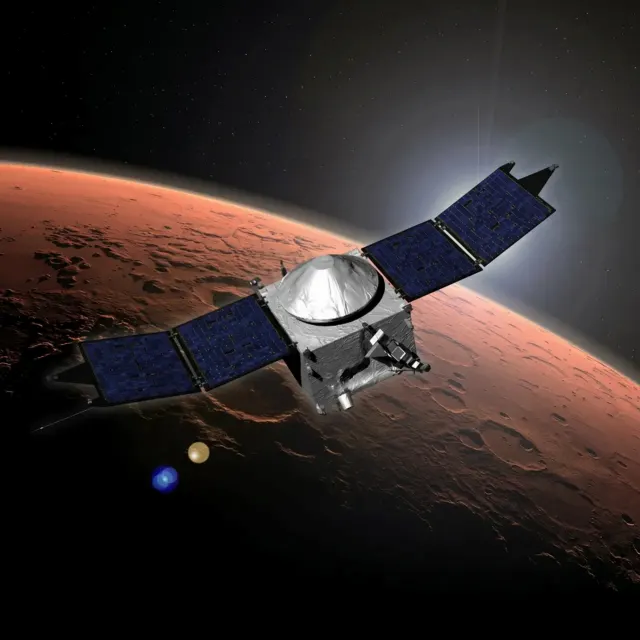
MAVEN concluded its mission on June 3, 2026. Over 11 years, it quantified Martian atmospheric erosion, establishing that 66% of primordial argon was lost via sputtering. Despite the loss of control in December 2025, its scientific and operational legacy for the rovers is fundamental.

Orbiter
Completed · full success
NASA

Mars Global Surveyor (MGS)

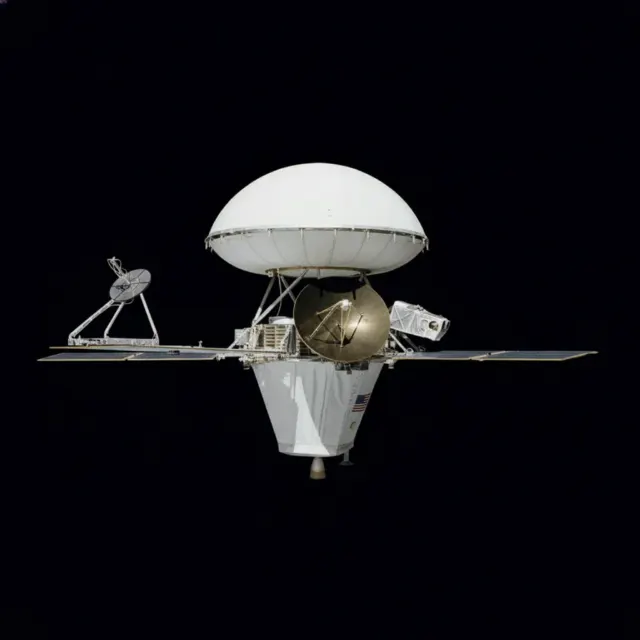
Mars Global Surveyor (MGS), launched by NASA in November 1996, was a pioneering orbital mission that revolutionized our understanding of Mars. After a long aerobraking phase, it globally mapped the surface, studied mineralogy, analyzed the remnant magnetic field, and demonstrated the past presence of abundant liquid water.

Orbiter
Completed · full success
NASA

Viking 2 Orbiter

Part of Viking 2

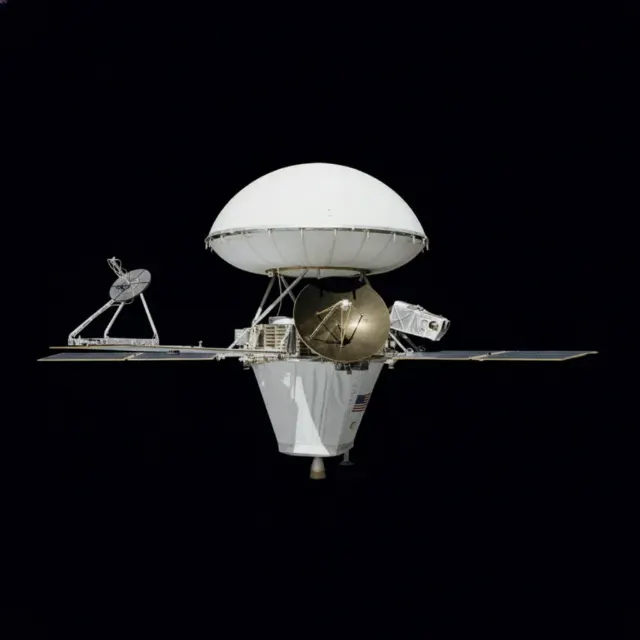
The Viking 2 Orbiter was inserted into Mars orbit on August 7, 1976. After deploying its lander, it operated independently conducting global, climatic, and atmospheric mapping. Its milestones include a close flyby of the moon Deimos and photographic confirmation of water ice at the north polar cap. The mission concluded on July 25, 1978, following a leak in its propulsion system.

Orbiter
Completed · full success
NASA

Viking 1 (Orbiter)

Part of Viking 1

NASA's Viking 1 mission, launched in 1975, was a historic milestone. Comprising an orbiter and a lander, it achieved the first successful, long-duration US landing on Mars on July 20, 1976. While the orbiter mapped the planet, revealing river valleys, the lander conducted the first in-situ experiments to search for life, yielding ambiguous results that redefined Martian exploration.

Orbiter
Completed · partial success
OKB-1

Mars 5

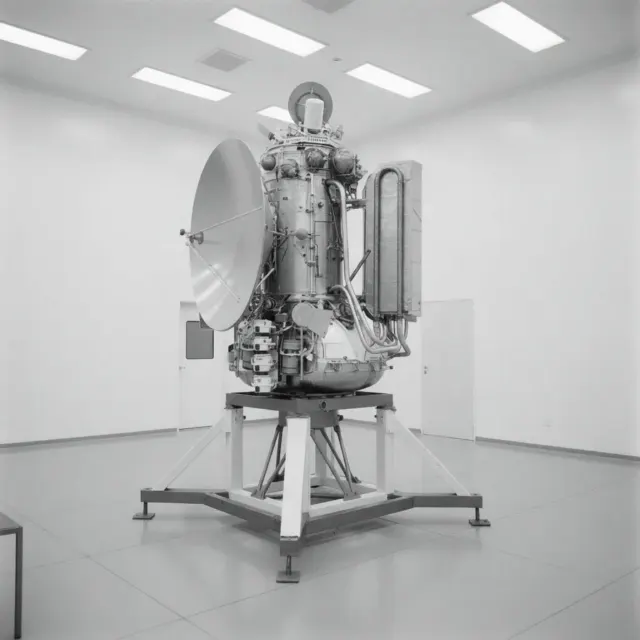
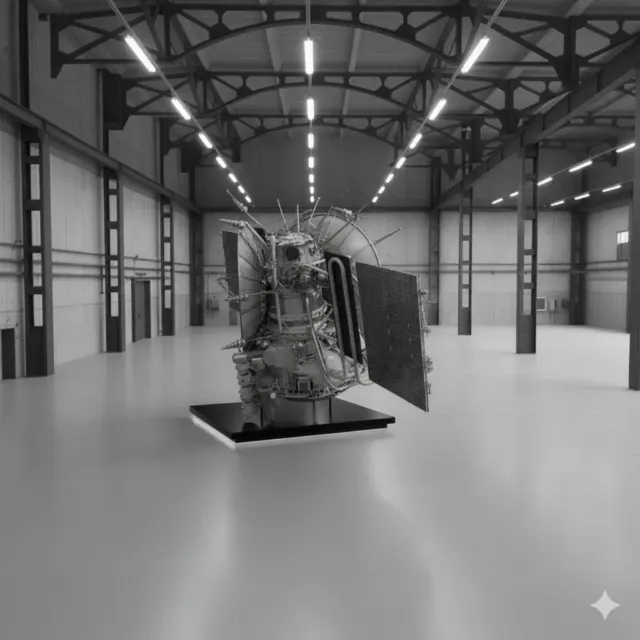
Launched by the USSR in 1973, Mars 5 was the only spacecraft of that window (Mars 4, 5, 6, 7) to successfully enter Mars orbit on February 12, 1974. However, a depressurization of the instrument compartment, likely due to a micrometeoroid, caused its failure after only 22 orbits and 16 days of operation, though it managed to return 43 high-quality images and surface data.

Orbiter
Completed · full success
NASA

Mariner 9

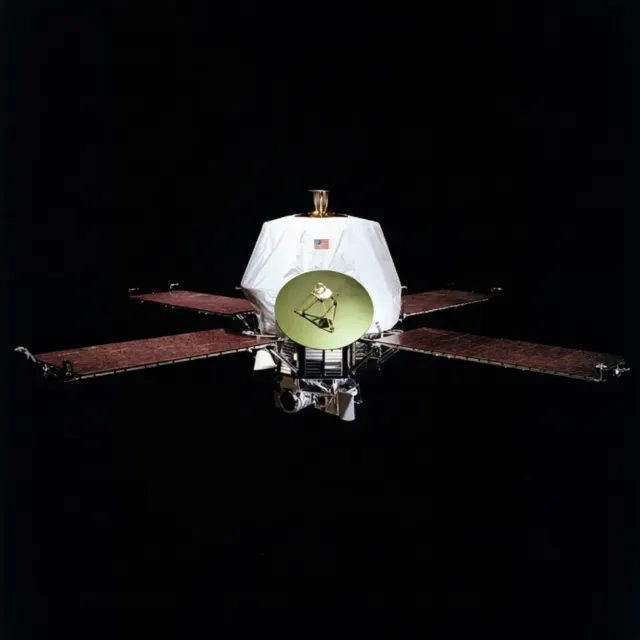
NASA's Mariner 9 was the first probe to orbit another planet, arriving at Mars in November 1971. Although a global dust storm obscured the surface, the mission waited patiently. As the dust cleared, it revealed a new Mars: discovering Olympus Mons , Valles Marineris , and ancient riverbeds.

Orbiter
Completed · full success
OKB-1

Mars 3 (Orbiter)

Part of Mars 3

The USSR's Mars 3 mission (1971) was a historic partial success. Its orbiter functioned, but the lander, despite achieving the first-ever soft landing on Mars, only transmitted for 20 seconds. A massive global dust storm is believed to have caused the failure.

Orbiter
Completed · full success
OKB-1

Mars 2 (Orbiter)

Part of Mars 2

The Mars 2 mission (USSR, 1971) was a dual orbiter and lander mission. It arrived during a global dust storm. The orbiter successfully entered orbit, but its science was limited by the dust. The lander failed due to an incorrect entry angle and crashed, becoming the first human object to impact Mars.

Orbiter