

All Missions

Exploring the Red Planet

Filter by mission type

Base de Datos

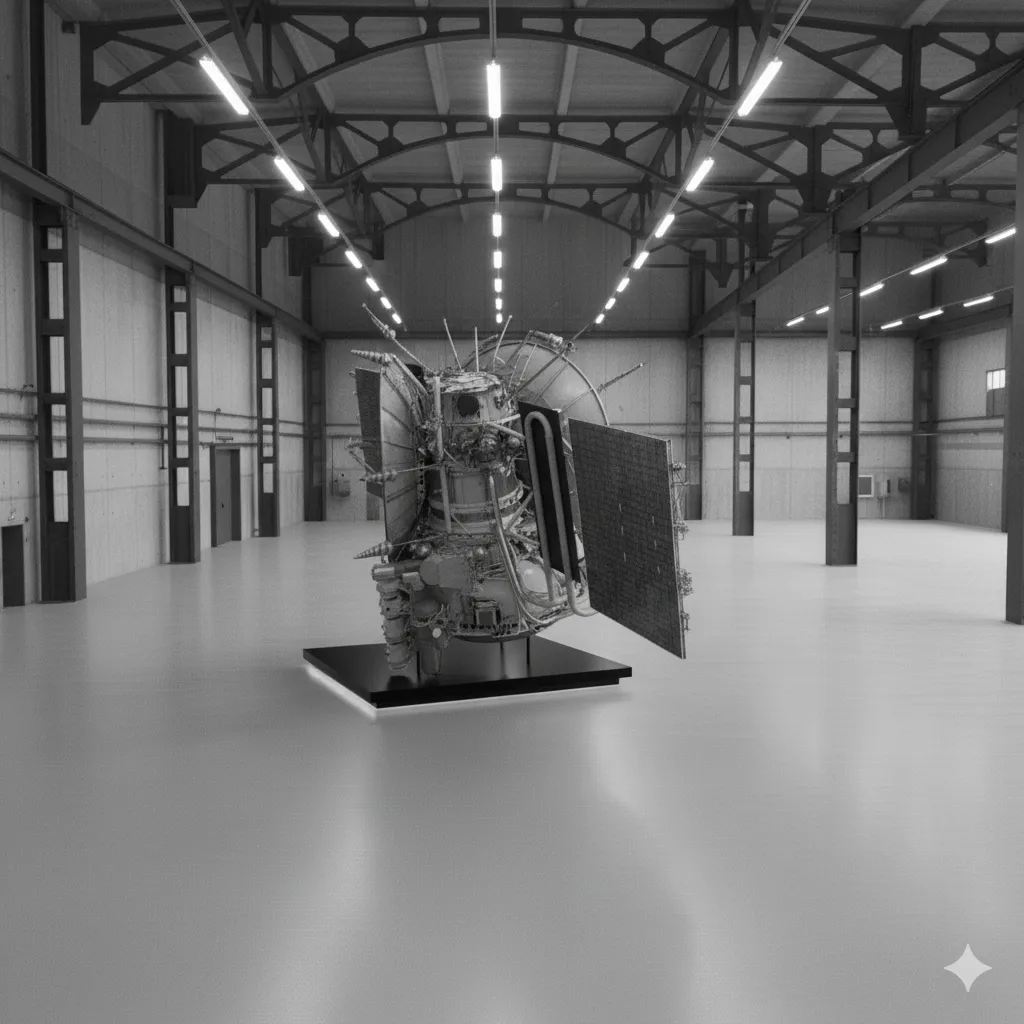
Mars 5

Mars 5

Flag Agency

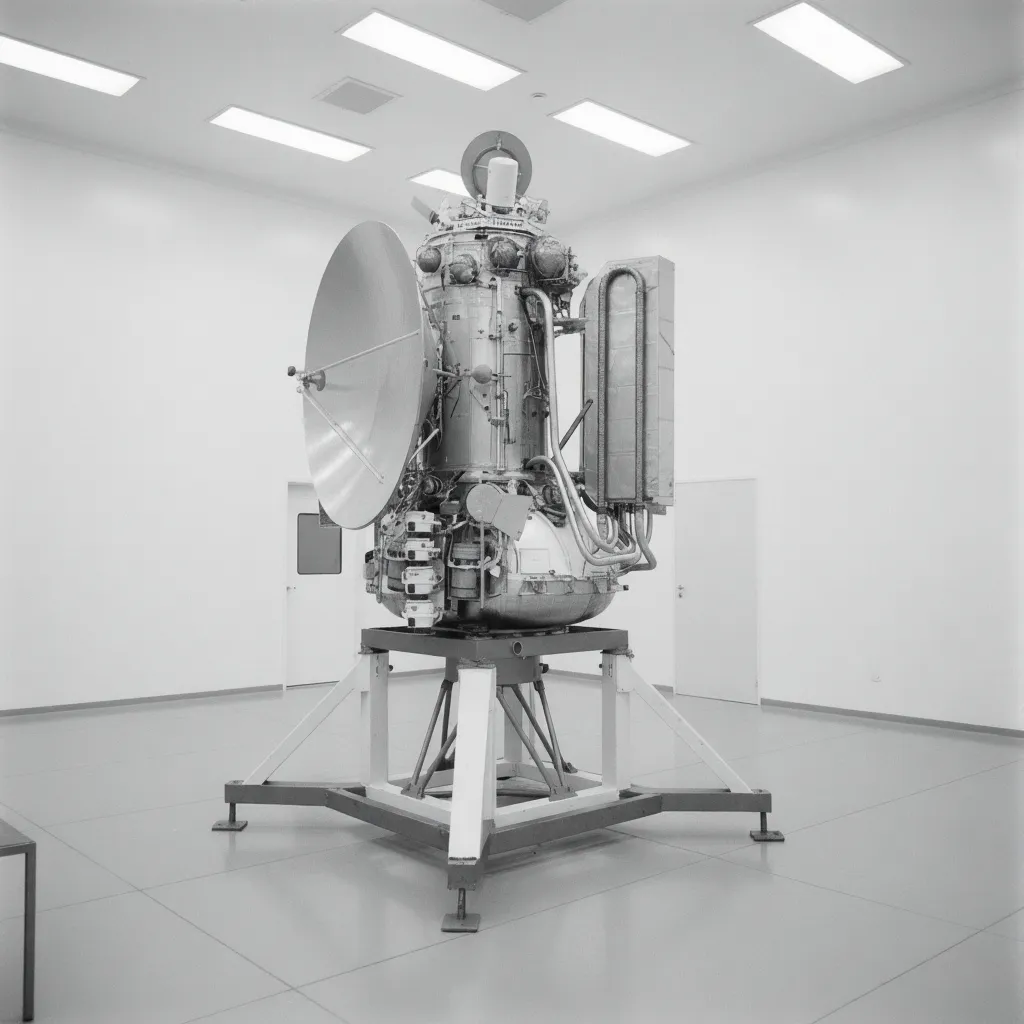
Launched by the USSR in 1973, Mars 5 was the only spacecraft of that window (Mars 4, 5, 6, 7) to successfully enter Mars orbit on February 12, 1974. However, a depressurization of the instrument compartment, likely due to a micrometeoroid, caused its failure after only 22 orbits and 16 days of operation, though it managed to return 43 high-quality images and surface data.

Orbital Insertion
Discover more →
Mars 4

Mars 4

Flag Agency

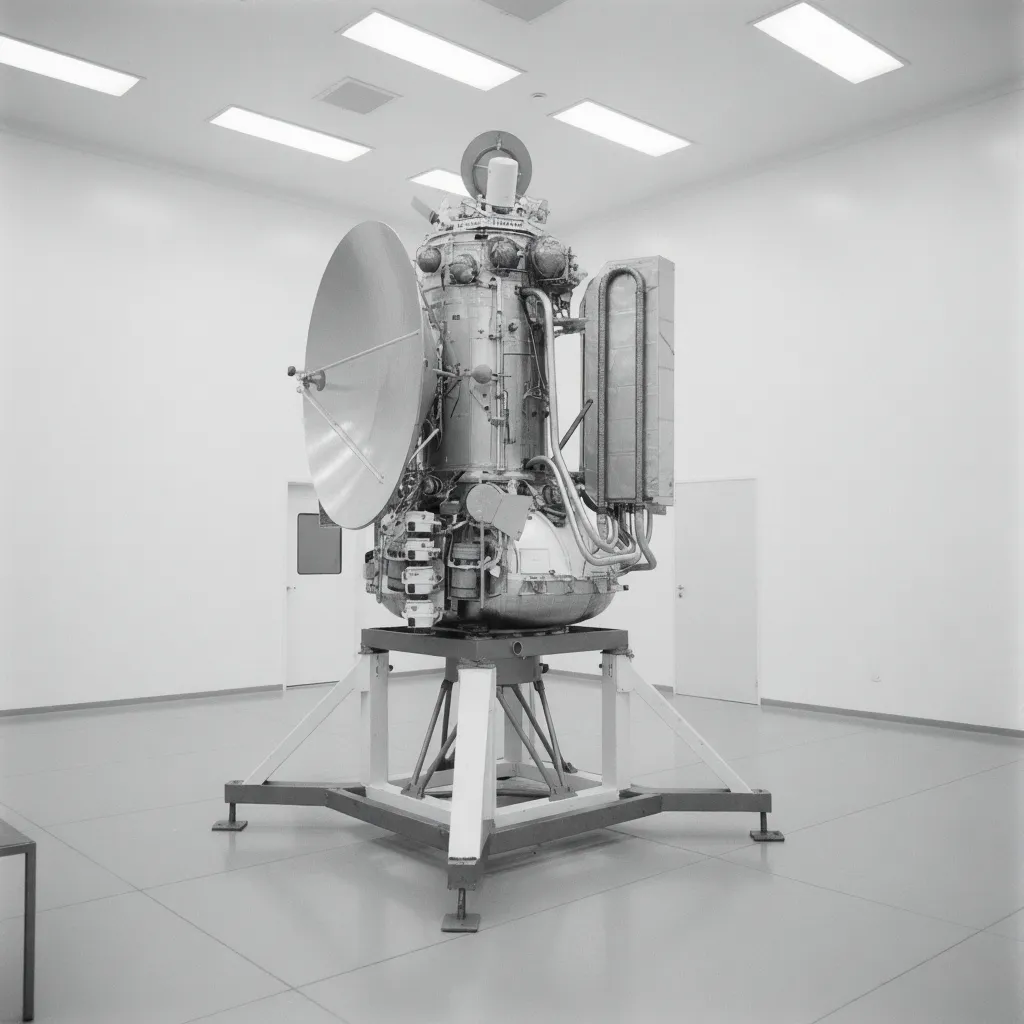
Launched by the USSR in 1973 aiming to orbit Mars. Due to an onboard computer failure (chip degradation), the retrorockets failed to fire for orbital insertion. The spacecraft performed an unplanned flyby on February 10, 1974, at 1,844 km, returning images and detecting the night-side ionosphere of the planet for the first time.

Orbital Failure
Discover more →
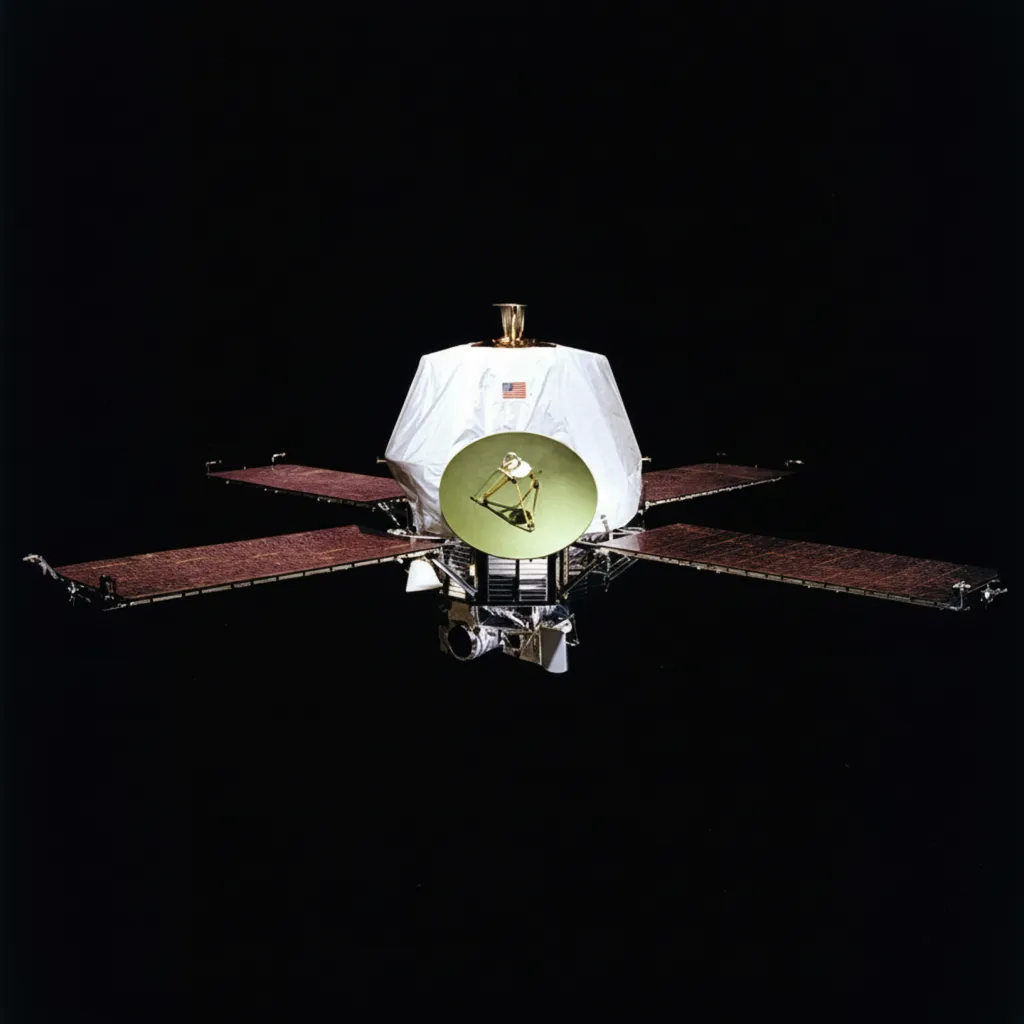
Mariner 9

Mariner 9

Flag Agency

NASA's Mariner 9 was the first probe to orbit another planet, arriving at Mars in November 1971. Although a global dust storm obscured the surface, the mission waited patiently. As the dust cleared, it revealed a new Mars: discovering Olympus Mons , Valles Marineris , and ancient riverbeds.

Mission Complete
Discover more →
Mars 3 (Orbiter)

Mars 3 (Orbiter)

Flag Agency

The USSR's Mars 3 mission (1971) was a historic partial success. Its orbiter functioned, but the lander, despite achieving the first-ever soft landing on Mars, only transmitted for 20 seconds. A massive global dust storm is believed to have caused the failure.

Mission Complete
Discover more →
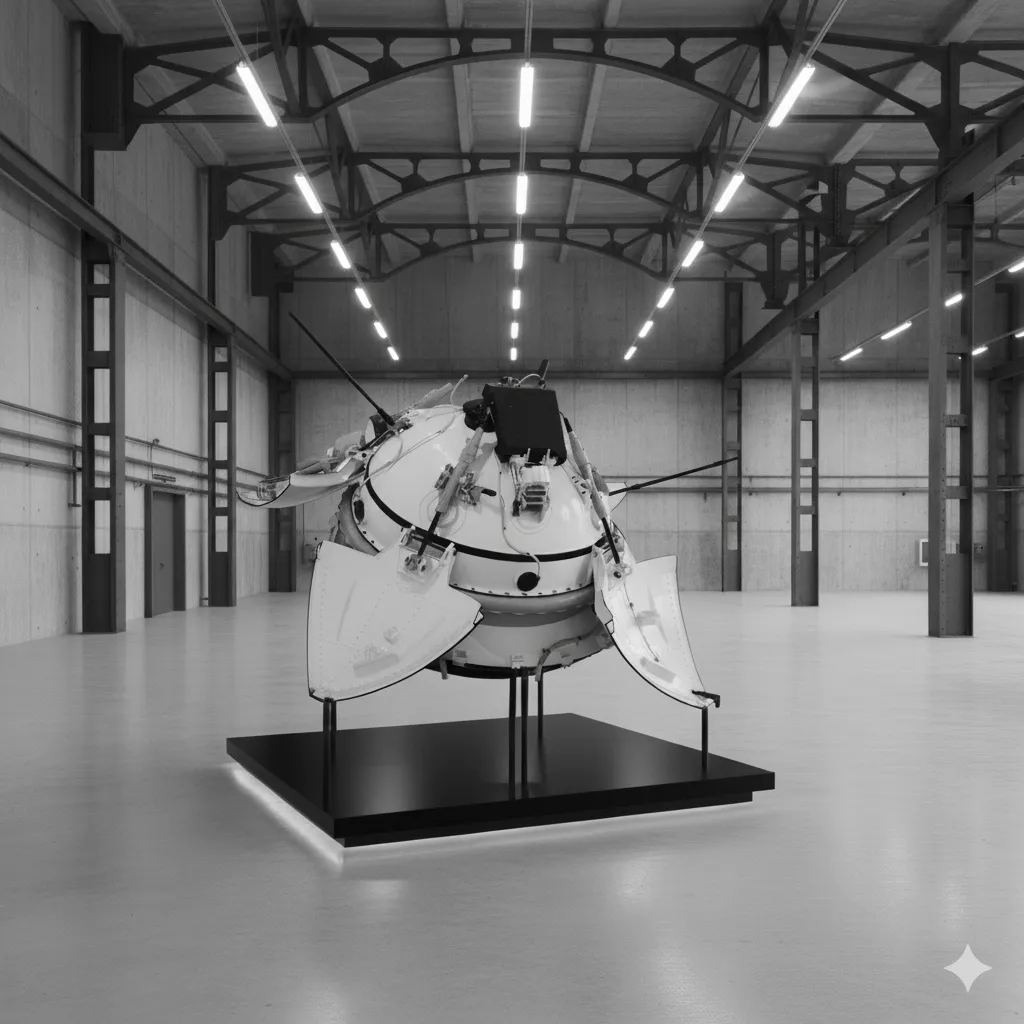
Mars 3 (Lander)

Mars 3 (Lander)

Flag Agency

The USSR's Mars 3 mission (1971) was a historic partial success. Its orbiter functioned, but the lander, despite achieving the first-ever soft landing on Mars, only transmitted for 20 seconds. A massive global dust storm is believed to have caused the failure.

Loss of Contact
Discover more →
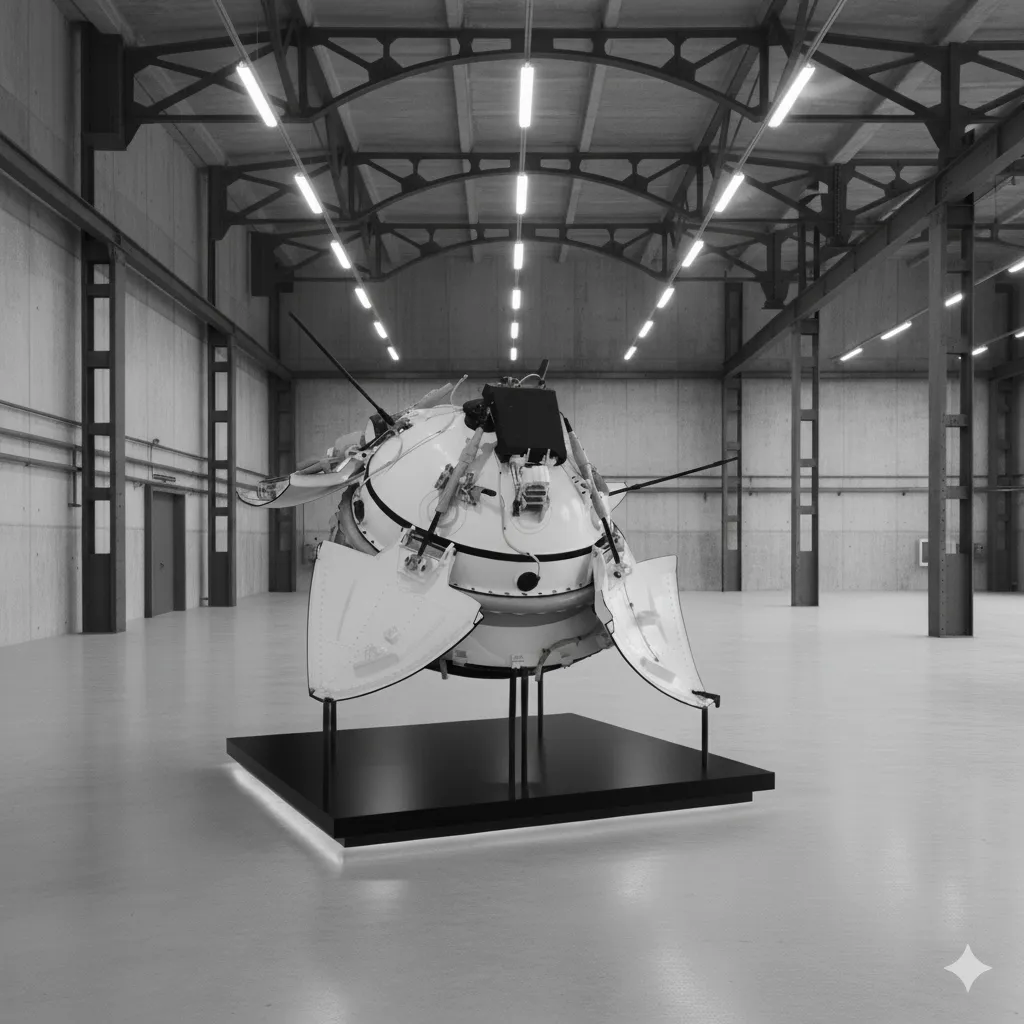
Mars 2 (Lander)

Mars 2 (Lander)

Flag Agency

The Mars 2 mission (USSR, 1971) was a dual orbiter and lander mission. It arrived during a global dust storm. The orbiter successfully entered orbit, but its science was limited by the dust. The lander failed due to an incorrect entry angle and crashed, becoming the first human object to impact Mars.

Landing Failure
Discover more →